About Our Spanish Cheese Collection
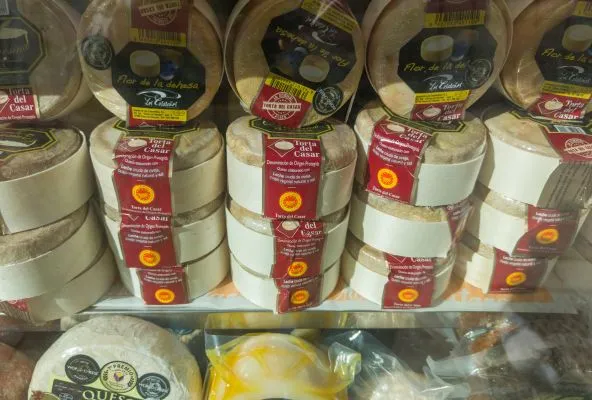
Spain is one of Europe’s great cheese-making countries, with every region bringing its own traditions, milk types, textures, and flavours. At Toma, our cheese range reflects that variety, from nutty aged Manchego and firm cured sheep’s cheeses to powerful blue cheeses like Cabrales and indulgent soft cheeses such as Torta del Casar.
Our cheese offerings already spans multiple subcategories including Manchego, Cabrales (Blue & Intense), Idiazabal (Hard & Cured), Torta del Casar (Soft & Creamy), Flavoured & Truffled, Whole & Half Wheels, Cheese Selections, and Accompaniments, which makes it ideal as a true parent hub page.
Featured products on the page include Aged Manchego in wedges, half wheels and full wheels, Cabrales wedges and spreads, Boffard sheep’s cheeses, and Torta del Casar, showing strong breadth across premium Spanish cheese styles.
If you are new to Spanish cheese, Manchego is the natural place to begin, with its firm texture and rich sheep’s milk flavour. If you want something more adventurous, Cabrales offers a deep, intense blue profile, while Torta del Casar brings a soft, spoonable texture that is perfect for sharing.
Read our Full Guide To Spanish Cheeses
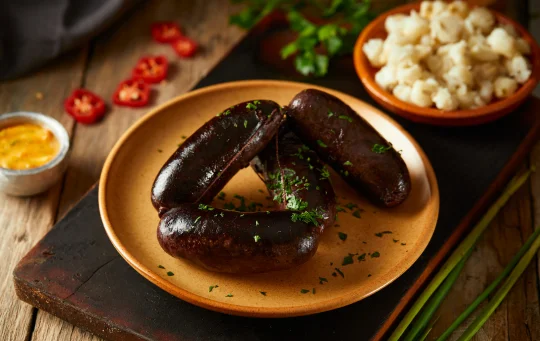
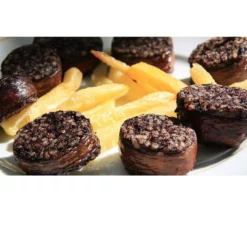
 Vallina Asturian Blood Sausage (250g)
 Santa Rosalía Wagyu Blood Sausage (350g)
 Vallina Asturian Blood Sausage (250g)
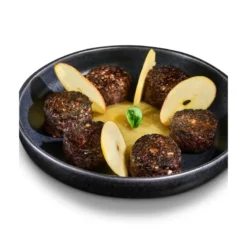 Santa Rosalía Wagyu Blood Sausage (350g)
 Vallina Asturian Fabada Espanola Kit
Price range: €5.99 through €28.50
Vallina Asturian Fabada Espanola Kit
Price range: €5.99 through €28.50