
The Spanish pantry is rooted in simplicity, but it is remarkably varied from one region to another. In Andalucia, olives, gazpacho garnishes and seasoned snacks are part of daily life, while Valencia is closely linked with rice cookery, Murcia with Calasparra rice, Extremadura with smoked paprika, and northern regions such as the Basque Country and Cantabria with bar snacks, pintxos and preserved specialities.
These pantry items are best introduced as ingredients that do real work in the kitchen: they create aperitivo moments, build the base of stews, enrich rice dishes and make entertaining easy. Many are ready to serve, but they also connect directly to iconic dishes from specific parts of Spain.
Crackers and Snacks
Crackers and savoury snacks play an important role in Spanish food culture because eating is often social, informal and spread throughout the day. They are served with vermouth, wine or beer, added to tapas spreads, or brought to the table before a meal alongside olives, cheese and charcuterie.
In practical terms, crackers are commonly used as a neutral but flavourful base for pâtés, sobrasada-style spreads, olive tapenades and soft cheeses. Olive oil crackers, breadsticks and crisp torta-style biscuits are especially useful on a gourmet table because they support strong ingredients without overwhelming them.
Spanish snacks are also closely linked to bar culture. Potato crisps, giant corn nuts and seasoned nuts are often served as part of the aperitivo, particularly in central and southern Spain, where drinks are frequently accompanied by something salty and crunchy. Stuffed olives are also part of this same snacking tradition, especially in summer terraces and casual gatherings.
Regionally, Andalucia stands out for its strong aperitivo culture, with olives, crisps and pickled snacks appearing constantly in bars and homes. In the Basque Country, snack culture leans more towards pintxos, where a crunchy base or skewer becomes part of a more composed bite rather than a standalone nibble.
Olives
Olives are one of the clearest markers of Spanish identity at the table. They are eaten as a tapa, offered as a pre-lunch nibble, added to salads, tucked into pintxos, and marinated with garlic, herbs, citrus peel or spices depending on the region and household style.
Spain grows hundreds of olive varieties, but a few names are especially useful for customers to understand. Manzanilla olives are among the classic table olives and are often stuffed, Hojiblanca is another important Spanish table olive, and Gordal from Seville is especially valued for its large size and fleshy bite.
In Andalucia, olives are deeply woven into everyday eating, not just as a snack but as part of salads and small dishes. Málaga’s ensalada malagueña, for example, combines olives with salt cod, onion, potato, egg and orange, showing how olives bring salinity and brightness to southern cooking.
Further north, olives take on a different role in bar food. In the Basque Country, green olives are a key part of the gilda, the famous pintxo made with olives, pickled chillies and anchovy, prized for its sharp, salty, appetising flavour.
Olives are often distinguished by both variety and use. Customers often understand flavour more easily when products are grouped as cocktail olives, anchovy-stuffed olives, cracked and marinated olives, citrus-stuffed Gordal olives or tapas olives for sharing boards.
Nuts and Dried Fruits
Nuts are central to Spanish snacking, but they are also ingredients with strong regional roots. Almonds are especially important in Mediterranean Spain, and premium Spanish selections often highlight Marcona almonds, which are prized for their rounded shape, tender bite and rich flavour.
In everyday use, nuts may be served simply fried or salted with drinks, but in Spanish cuisine they also appear in sauces, fillings and sweets. Ground almonds and whole almonds are important in both savoury and sweet traditions, especially along the eastern and southern Mediterranean coast, where Moorish influence helped shape dishes using nuts, spices and dried fruits.
Dried fruits and fruit-based accompaniments are often used to balance salty foods. Quince paste is a classic example, typically served with Manchego and other sheep’s milk cheeses, while figs and fig cake with almonds are popular on cheese boards and in gift hampers.
Regionally, Catalonia and other Mediterranean areas are especially associated with combining nuts and fruit in elegant, contrast-driven dishes. This same instinct appears across Spain in festive platters, after-dinner cheese courses and gourmet entertaining, where dried figs, almonds and fruit pastes help soften the intensity of cured meats and mature cheeses.
Pâtés and Spreads
Pâtés and spreads are important because Spanish cooking often relies on quick, flavour-packed foods that can move easily from pantry to table. They are spread on toast, spooned onto crackers, used to fill canapés, or served in small bowls as part of a tapas selection.
Olive tapenades and vegetable-based spreads are especially versatile. Black olive spreads, green olive spreads with capers and garlic, tomato-based spreads and artichoke creams all fit naturally into Spanish-style aperitivo eating, where several small dishes are shared rather than one central starter.
Some of Spain’s best-known sauces also belong in this section because they function like pantry spreads in modern kitchens. Alioli is used with potatoes, grilled fish and vegetables; salsa brava accompanies patatas bravas; and romesco, strongly associated with Catalonia, is served with vegetables, fish and grilled meats and is one of the country’s most distinctive nut-and-pepper sauces.
Regional identity matters here. Catalonia is particularly important for romesco and nut-based sauce traditions, while southern Spain leans more towards olive and vegetable-driven spreads. Across the country, these products are valued because they let home cooks create something generous and distinctly Spanish with very little preparation.
Rice
Rice is one of the most regionally defined ingredients in Spanish cuisine. It is not used in the same way across Spain: in Valencia it is the foundation of paella and many other arroz dishes, while in Murcia, Calasparra rice is strongly associated with brothy and slow-cooked preparations.
Bomba rice is particularly linked with Valencia and is prized because it absorbs a great deal of stock without losing its shape. This makes it ideal for paella Valenciana, seafood rice, arroz al horno and arroz caldoso, where the rice must carry deep flavour while remaining separate and structured.
Calasparra rice, from Murcia, is another major Spanish rice with a strong gourmet reputation. These are not generic rice products; they are specialist ingredients chosen for traditional Spanish techniques, especially when cooking in a wide paella pan or preparing rice dishes where broth absorption is essential.
Rice culture is strongest on the eastern Mediterranean side of Spain, especially around Valencia, but rice dishes now belong to the whole country. Rice is rarely cooked alone in Spanish cuisine; it is usually supported by sofrito, stock, paprika, saffron, pulses, seafood or meat, so it sits at the centre of a wider cooking tradition.
Legumes and Pulses
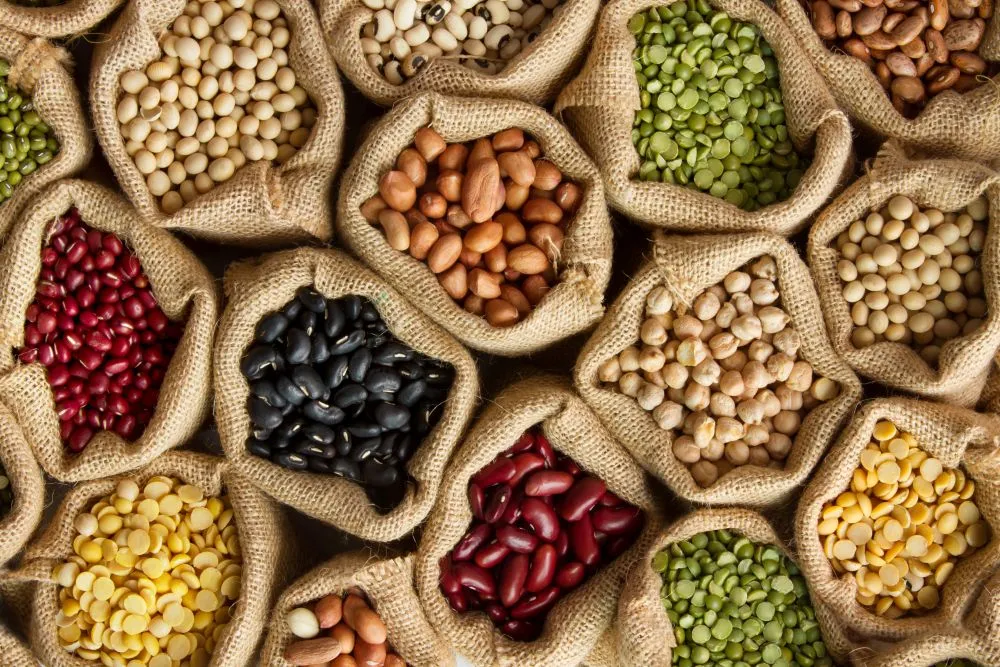
Legumes are one of the quiet foundations of Spanish home cooking. Chickpeas, lentils and beans are used in stews, soups and rustic one-pot meals across the country, making them essential pantry items rather than niche ingredients.
Chickpeas are especially important in Andalucia and central Spain. In Seville, they are the base of garbanzos con espinacas, while in many regions they appear in cocidos, where they are simmered slowly with meats, vegetables and stock to create a deeply traditional family meal.
Lentils are common throughout Spain and are often cooked with chorizo, onion, garlic and paprika in comforting stews. Beans vary more by region: fabada beans are strongly associated with Asturias and the famous fabada asturiana, while other large white beans and regional varieties appear in casseroles and winter dishes across northern and inland Spain.
Spanish pulses are both practical and cultural. They represent the slower, more domestic side of Spanish cuisine, where pantry staples become substantial dishes with the help of sofrito, olive oil and a few carefully chosen seasonings.
Spices and Seasonings
Spices in Spain are usually used with restraint, but a few are absolutely central to the national pantry. Smoked paprika, or pimentón, is one of the most recognisable, and pimentón de la Vera from Extremadura is especially important because the peppers are dried and smoked before being ground.
This paprika is used to add colour, warmth and a smoky depth to all kinds of dishes, from stews and lentils to prawns, potatoes and rice. It is commonly sold in sweet, hot and bittersweet styles, which makes it easy for a gourmet website to guide customers by flavour profile as well as by category.
Saffron is another signature ingredient, especially in celebratory and rice-based cooking. It is closely associated with dishes such as paella, where it contributes colour, aroma and a subtle floral depth that cannot be replaced by ordinary seasoning blends.
Other seasonings matter too, even if they are less famous. Sofrito is often the flavour base for rice and stews, while garlic, bay, herbs and vinegar all help shape the distinct regional character of Spanish food. Rather than relying on heavy spice, Spanish cuisine usually builds flavour through layering: olive oil first, then aromatics, then paprika or saffron, then stock, pulses or rice.
